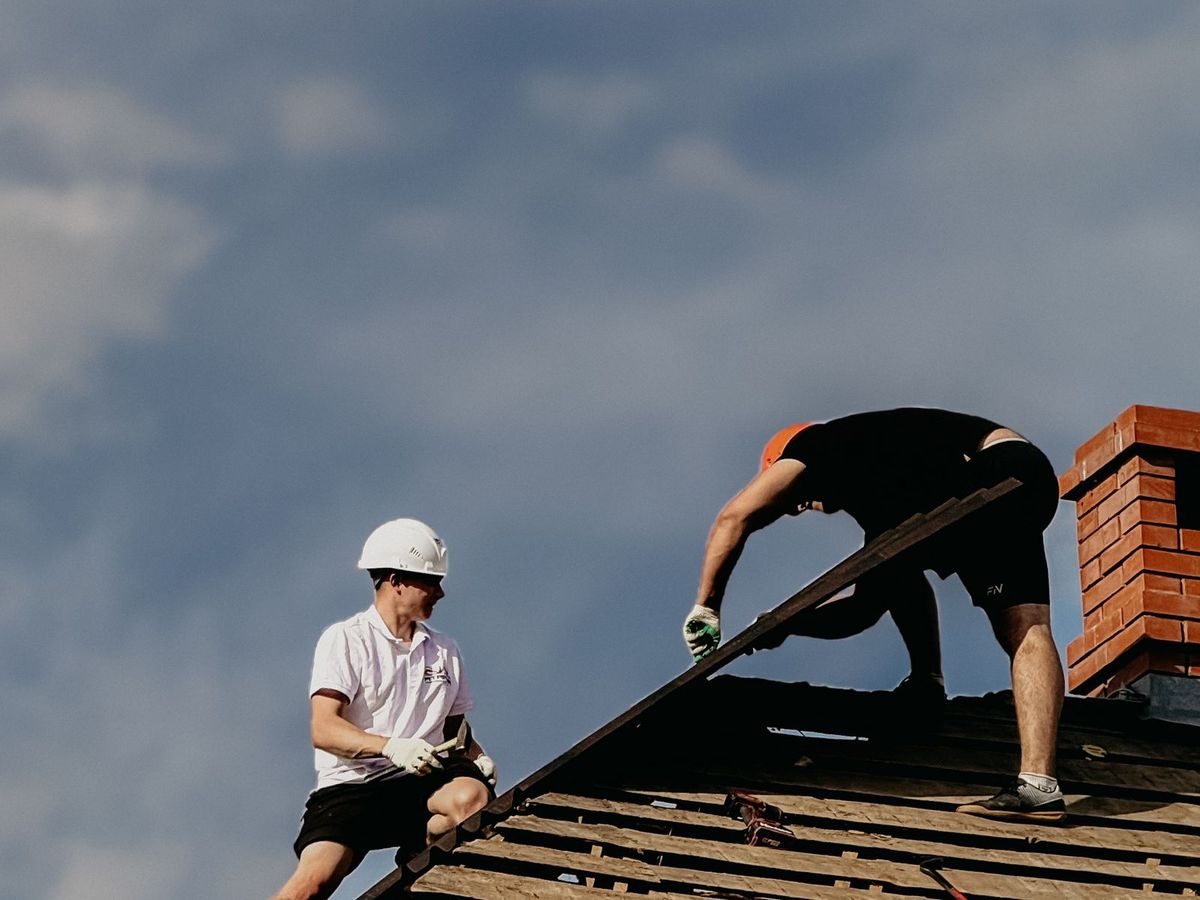
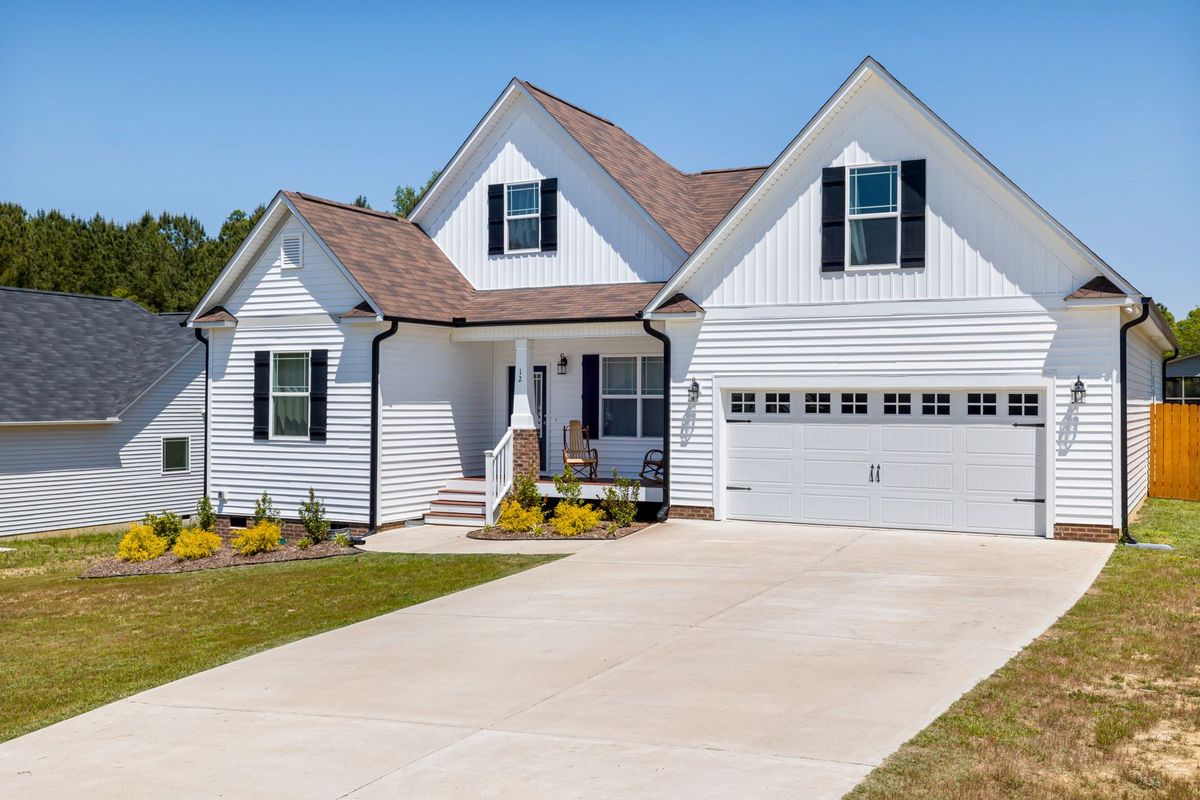
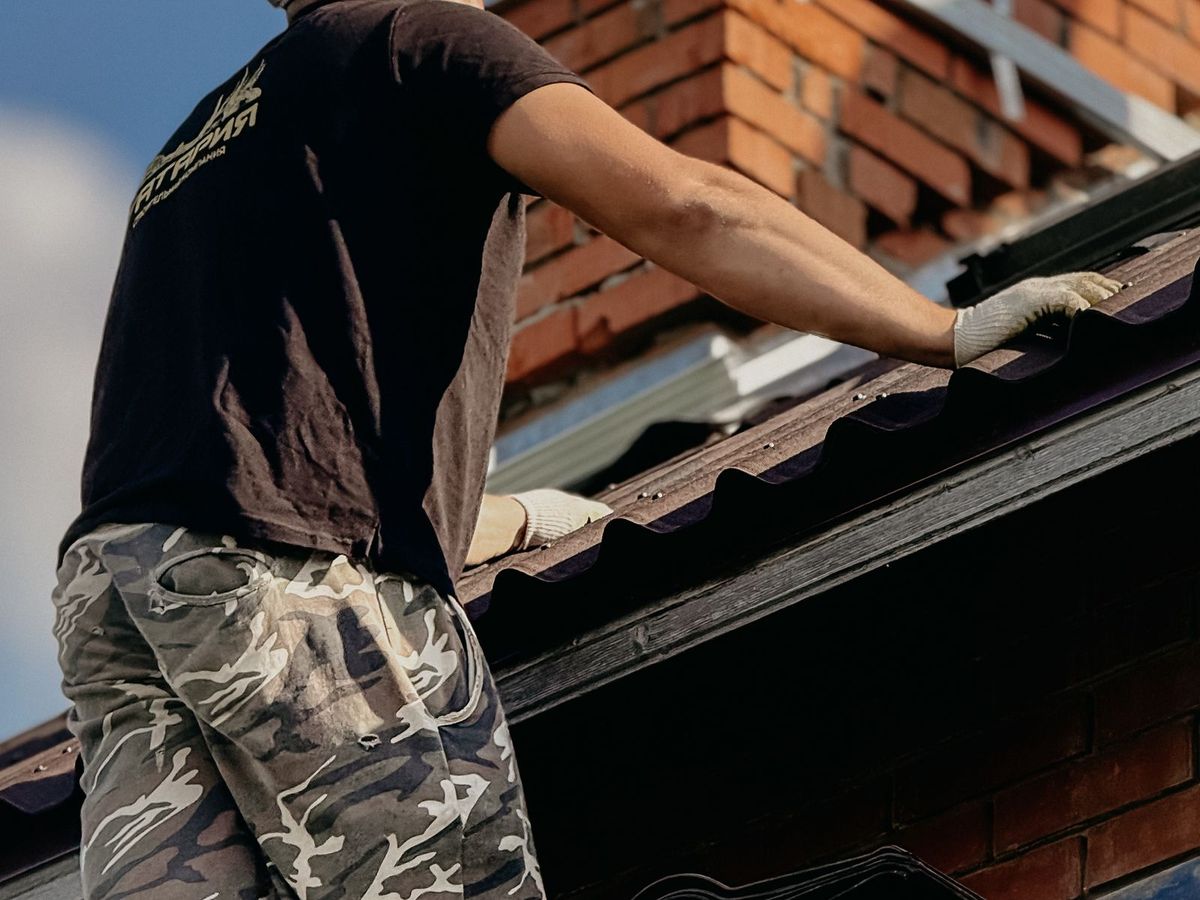
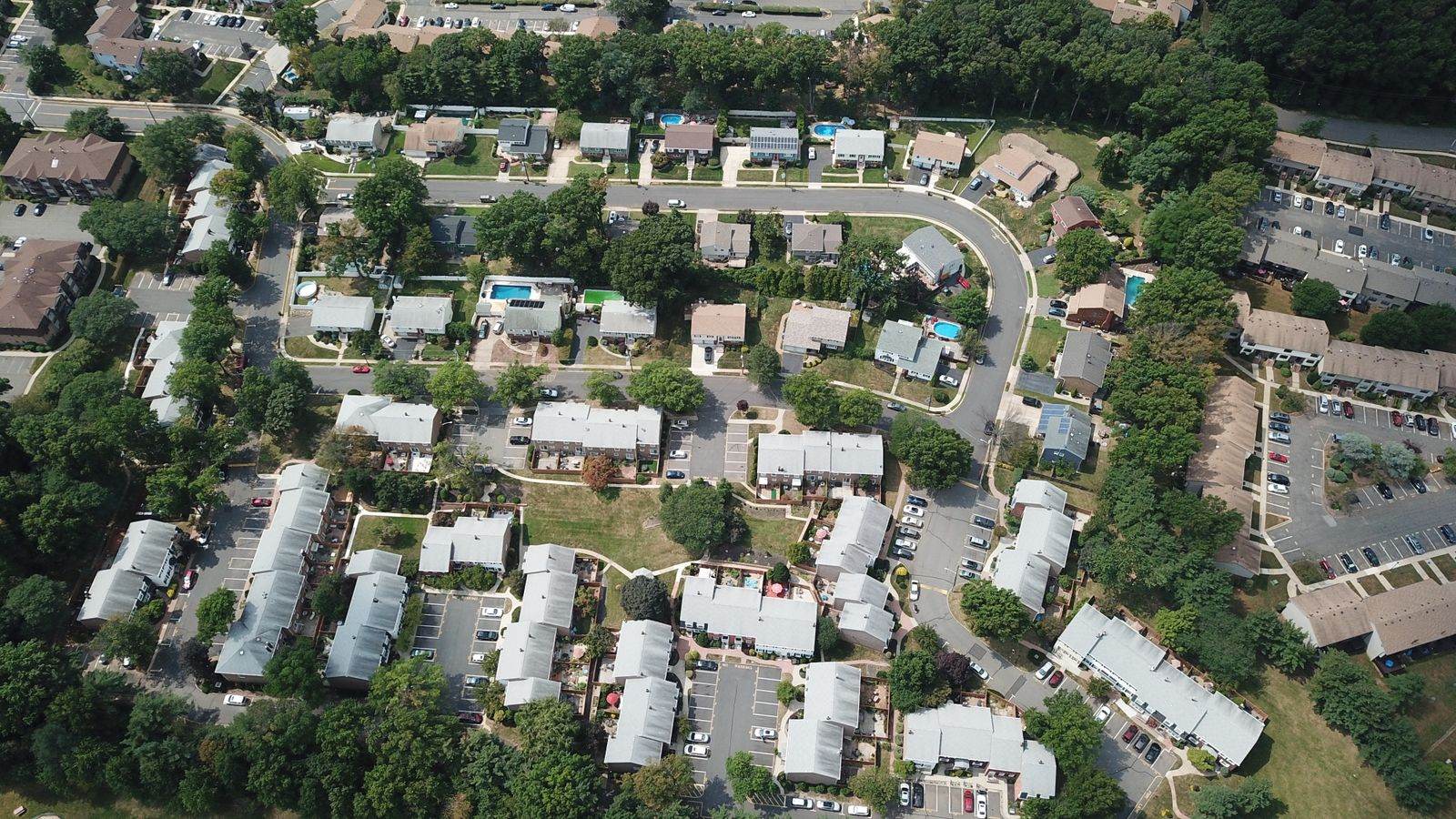
Huntsville Roof Inspection is a free referral service. We connect callers with independent local roofing professionals. A roof inspection is a documented, top-to-bottom look at your shingles, flashing, vents, valleys, and attic side — the parts of the roof that decide whether rain stays out or finds its way in. Huntsville homeowners book one after a hard storm, when a ceiling stain appears, before buying or selling a home, or when shingles are simply getting old and nobody is sure what shape they are in. Call, describe what you are seeing, and we connect you with a local professional who can get on the roof and give you a straight answer.
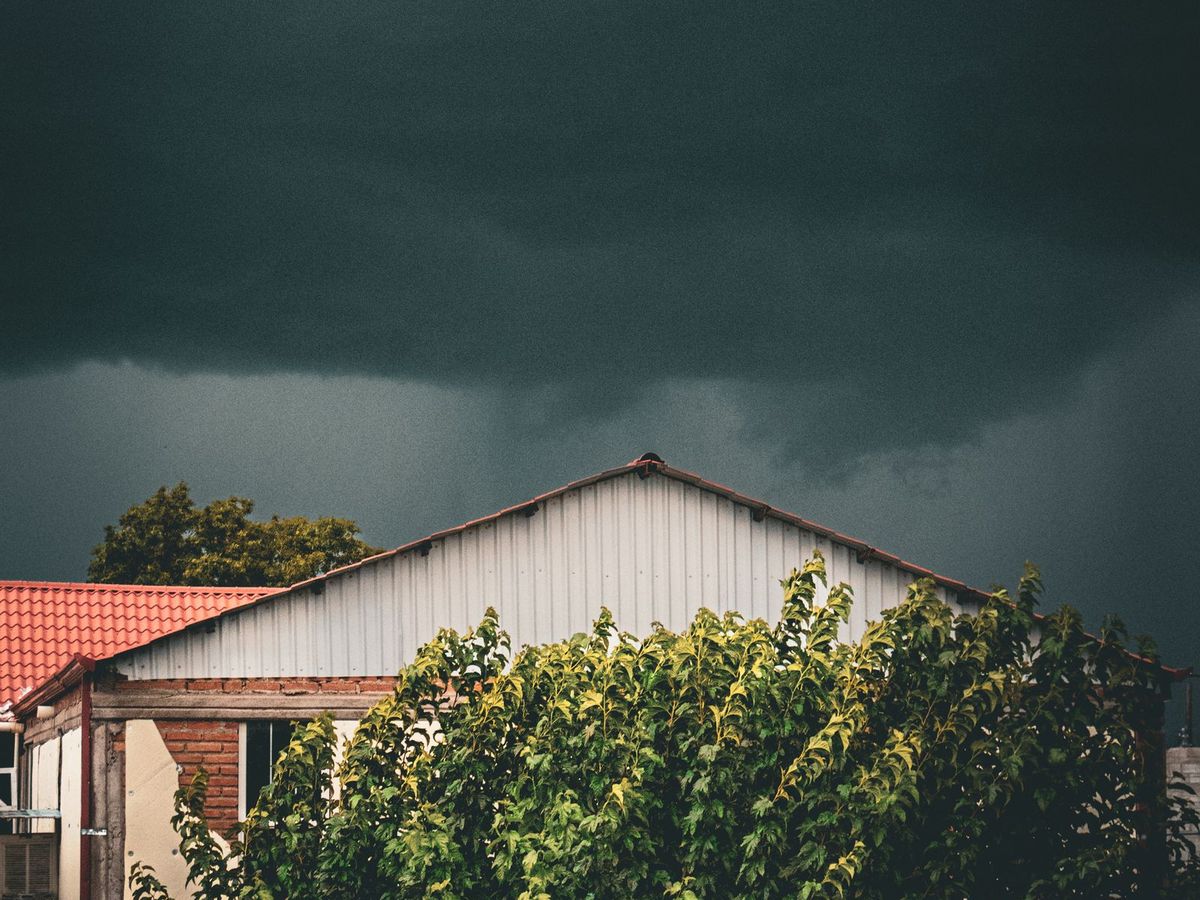
Shingles missing after a storm?Wind and hail can lift or strip shingles without any sign inside — at first.
Stains spreading on a ceiling?Water is getting in somewhere — an inspection traces it back to the roof source.
The short answer
What is a roof inspection, and when should you book one?
A roof inspection is a close, documented check of the entire roof system: the shingle or metal surface, the edges and ridges, the metal flashing where the roof meets chimneys and walls, the boots around vent pipes, the valleys where two slopes join, and — from inside the attic, where access allows — the underside of the decking. The point is not a glance from the driveway. The point is a clear, photo-backed answer to three questions: what condition is the roof in, where is it vulnerable, and what, if anything, needs attention soon. In a place like Huntsville, where a roof takes heavy rain, spring hail, pine debris, and long humid summers, that answer is worth having before a small weak spot turns into water inside the house.
Most inspections start with something specific. A homeowner finds shingles in the yard after a windy night. A brown ring spreads slowly across a bedroom ceiling. A family is about to buy a house and wants to know whether the roof over it is five years old or twenty. Each of those leads to a slightly different kind of visit — a general roof inspection for overall condition, or a focused roof leak inspection when water is already getting in and the job is to trace the stain back to the exact entry point on the roof above. Sorting out which kind you need is part of the first phone call, and it takes about a minute.
When you call, expect a calm conversation, not a pitch. You will be asked what you have noticed, roughly when it started, and whether anything has changed since the last big storm came through Walker County. From there, we connect you with an independent local roofing professional. Your provider arranges the visit, inspects and documents the roof, and walks you through what was found — photos included — so the next decision, whatever it is, is yours to make with real information in hand. Nothing is repaired, replaced, or agreed to on that first call. The call simply gets the right local professional headed toward the right roof.
Services
Roof inspection services you can be connected with in Huntsville
Different roofs, and different moments, call for different kinds of inspection. Here is the full range of help Huntsville homeowners, buyers, sellers, and landlords can be connected with — from a general condition check to an urgent visit after a limb comes down.
Roof Inspection
The general inspection is the starting point for most Huntsville roofs: a methodical pass over the whole system, from the ground and the roof surface to the attic side. A standard roof inspection checks shingle condition and coverage, flashing and vent details, valleys and edges, and the decking below for stains or softness, then documents it all with photos. Homeowners book one when the roof's age is a guess, when a storm season has just passed, or when they simply want to know where they stand before small wear becomes a leak. If you are not sure which service fits, this is usually the right door to walk through first.
When water is already showing inside — a ceiling stain, a drip, bubbling paint — the question is where it gets in, and the stain is rarely under the entry point. A roof leak inspection works backward from the mark on your ceiling to the flashing gap, cracked boot, or lifted shingle letting water in above it.
East Texas storms lift shingles, crease them with wind, and bruise them with hail — damage that is easy to miss from the ground. A storm damage roof inspection documents the roof slope by slope soon after the weather passes, while the evidence is fresh and before the next rain finds the gaps.
A roof is one of the biggest unknowns in any home purchase, and Huntsville's busy rental and resale market moves fast. A pre-purchase roof inspection gives buyers — and sellers who want to answer questions honestly — a documented picture of age, material, and condition before papers are signed.
Sometimes there is no leak and no deadline — you just need to know how much life the roof has left so you can plan around it. A roof condition assessment is a written, whole-roof evaluation of material, age, and wear patterns, the kind of document homeowners use for budgeting, sellers use in a listing file, and landlords across Huntsville's rental market use to schedule work between tenants instead of in the middle of a lease. It trades urgency for foresight: what is sound, what is aging, and what deserves attention in the next few years.
A limb through the shingles, a ceiling bowing with water, shingles scattered after a midnight storm — some roofs cannot wait for a convenient opening. An emergency roof inspection gets a professional out to assess active damage, document it, and explain the safest next steps, by phone day or night.
Roofs usually warn you before they fail — quietly, and often from the yard or the ceiling rather than from the roof itself. If two or more of these sound familiar, it is worth arranging a roof inspection sooner rather than later.
Missing or lifted shingles
Shingles in the yard, bare patches along an eave, or tabs flipped up and creased after a windy storm. A lifted shingle may settle back down and look fine while its seal underneath stays broken.
Granules in gutters and downspouts
Dark, sand-like grit washing out of downspouts or piling up in gutters. Those granules are the shingle's protective surface — as they shed, the material underneath ages and weakens much faster.
Stains spreading on a ceiling
A tan or brown ring on a ceiling or down a wall means water has already made the trip through the roof and attic. The stain marks where water ends up — the entry point above it is what needs finding.
Algae streaks or moss in the shade
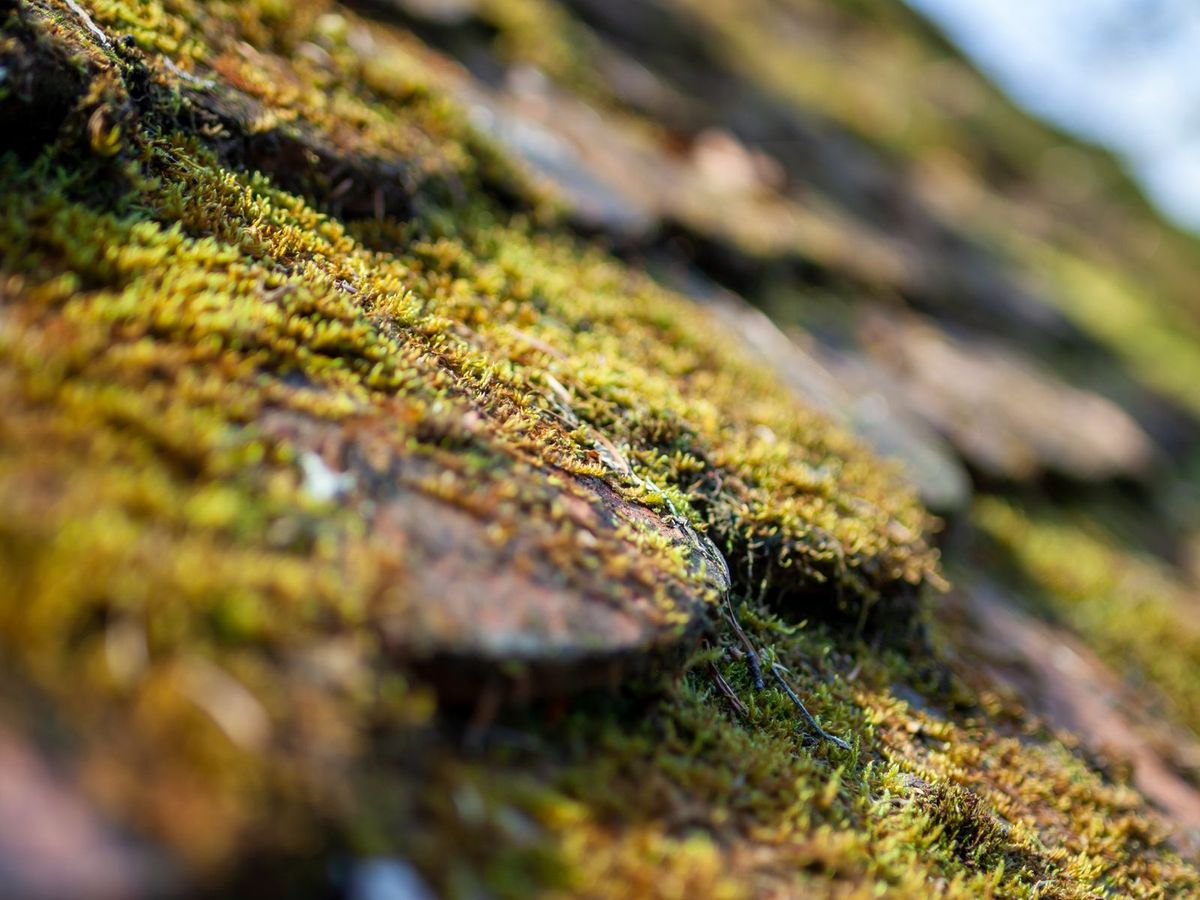
Black streaks running down a slope, or green patches holding on under the pines. In Huntsville's humidity, shaded roof areas stay damp, and what grows there traps moisture against the shingles.
Curling or cracked shingles
Edges cupping upward, corners clawing, or cracks splitting across the surface. Heat and age make shingles brittle and curled, and a curled shingle catches wind and sheds water poorly compared with one lying flat.
Fallen limbs or debris on the roof
A branch resting on a slope, or pine needles and leaves matted in a valley. Impact can crack shingles out of sight, and piled debris dams up water and pushes it sideways under the roofing.
Any one of these can have a harmless explanation — a single shingle in the yard might be a neighbor's — which is exactly why a documented look beats guessing from the ground. If water is actively dripping, a ceiling is sagging, or a limb is down on the roof, treat it as urgent and look at emergency roof inspection right away. Otherwise, a scheduled visit from a local professional will tell you plainly whether you are looking at normal aging or the start of a real problem.
In-depth guide
Why roof problems develop in Huntsville — and how inspections find them
Huntsville roofs work harder than they look. This is the Piney Woods of East Texas: tall pines, heavy air, and weather that arrives in several distinct forms across the year, each one wearing the roof down in its own way. Understanding what your roof is up against — and what a professional actually does during an inspection — makes it much easier to decide what your roof needs and when it needs it.
The Huntsville conditions behind most roof problems
Start with the climate. Huntsville sits in a humid subtropical pattern: long, hot, damp summers, frequent heavy rain, and few truly dry stretches. Shingles spend much of the year warm and wet, and the shaded slopes under pine canopy can stay damp for days after a storm. That persistent moisture feeds the dark algae streaks common on north-facing slopes here, holds debris soggy in the valleys, and slowly works at every seam, nail head, and flashing edge on the roof. Add Texas heat on the other side of the year — attic temperatures climbing day after day — and an under-ventilated attic quietly bakes shingles from below while the sun works on them from above, shortening the life the material was supposed to have.
Then there is the weather that arrives all at once. Spring thunderstorms roll across Walker County with strong straight-line wind and, some years, hail — wind that gets under shingle tabs and breaks their seal, hail that bruises the surface without always leaving an obvious mark. Later in the year, the remnants of Gulf tropical systems can push inland far enough to drop days of rain and gusty wind on Huntsville, testing every weak flashing point at the same time. One storm rarely ruins a healthy roof. What it does is find the spots that age and moisture had already weakened, and turn them into the leaks homeowners notice a few weeks later.
The trees deserve their own mention, because in Huntsville the pines are both the charm and the hazard. A mature canopy drops needles and small limbs all year, and that debris collects exactly where a roof is most vulnerable: in valleys, behind chimneys, and along low-slope porch and patio additions where water already moves slowly. Piled needles hold moisture against the shingles and can dam runoff so it backs up under the roofing. And when a storm does bring a limb down, the damage can be a cracked shingle hidden under the branch itself — invisible until someone gets up there and looks. None of this means a Huntsville roof is doomed. It means roofs here age on a schedule set by rain, heat, shade, and storms, and most local housing stock — older 3-tab shingles on long-standing homes, architectural shingles on newer builds, metal on many ranch and acreage properties — eventually reaches the point where an honest look is overdue.
Good to know
After a storm, a slow walk around the yard tells you a lot: shingles or shingle pieces on the ground, grit washed out at the downspouts, and branches on the roof are all worth noting — along with the date the storm hit. That short list is genuinely useful information to share when you call, and it helps your provider know what to document first.
How a professional inspection actually works
A proper inspection is a sequence, not a single glance. It usually begins at ground level and works upward, combining several passes so that what one angle misses, another catches:
Ground and binocular scan: the roof is read from below first — sagging lines, missing shingles, debris dams, and staining patterns often show clearly before anyone climbs.
On-roof check, where it is safe to walk: shingles are examined up close for lift, creasing, bruising, curling, and granule loss, and soft spots in the decking are noted as the surface is crossed.
Attic-side check: from inside, the underside of the decking is checked for water stains, damp or darkened wood, and daylight showing through where it should not — evidence that often dates a leak better than the shingles do.
Flashing, vent, and valley detail: the metal and seals around chimneys, vent pipes, and wall junctions, plus the valleys where slopes meet, get individual attention, because these junctions are where most Huntsville leaks actually begin.
Photo documentation: findings are photographed as they are found, so the condition of each area is on record and can be shown to you plainly afterward.
Put together, those passes turn a vague worry — "the roof looked off after the storm" — into a specific, located set of facts: this slope is sound, that flashing has opened, this stain in the attic is old, that one is fresh. That level of detail is what makes the conversation afterward useful, whether the news is "all clear" or "here is what needs attention." If the concern is specifically a leak, the same method narrows to tracing, which is why a roof leak inspection leans harder on the attic side and the flashing details above the stain.
What happens after the inspection
After the visit, you get the findings laid out clearly: what was checked, what was found, and what it means, supported by the photos taken along the way. Where something needs attention, your provider explains the options — which might be a small, targeted repair, closer monitoring of an aging section, or planning ahead for a roof that is nearing the end of its useful life — and what each path involves. For planning-minded homeowners, that summary often grows into a roof condition assessment, a written picture of the whole roof's remaining life that is useful for budgeting, selling, or managing a rental.
What does not happen is pressure. The inspection's job is information, and the decisions after it belong to you: act now, act later, or simply file the report away knowing where things stand. A good inspection is valuable in all three cases — it either catches a problem while it is small, or it replaces a nagging uncertainty with documented peace of mind.
Watch out
Be cautious of any repair figure quoted before an inspection has actually documented the roof's condition. Without that documented look first, there is no reliable way to know how much of the roof is affected, what condition the decking is in, or which fix actually fits — and a number given sight unseen can change dramatically once someone is on the roof. Your provider can discuss costs with you directly once the inspection has been completed and the findings are in hand.
How it works
How it works, from first call to a clear report
Four simple steps, and you stay in control of every decision that involves your home and your money.
1
Call and describe the signs
Call (936) 247-6377 and talk through what you have noticed — the stain, the shingles in the yard, the storm that just passed, the roof you are about to buy. The more detail you can share, the more useful the first conversation is, and the better we can connect you with an independent local professional.
2
We connect you with a local professional
Based on your situation and where you are in Huntsville, we match your request with an independent local roofing professional, and your provider schedules the inspection visit and talks through what happens next.
3
Your provider inspects and documents the roof
Your provider checks the roof surface, the flashing and vent details, and the attic side where access allows, photographs what is found, and explains the roof's condition in plain terms.
4
You decide before any work begins
Your provider lays out the findings and the options each one involves, and you decide what happens next — a repair, a plan, or simply a documented answer. No work on your roof begins until you have approved it with your provider.
To be clear about how this service works: Huntsville Roof Inspection is a free referral service. When you call, we connect you with an independent local roofing professional — we do not climb roofs or carry out inspections or repairs ourselves. The independent local professionals callers are connected with perform the inspection, document the findings, and carry out any work you later decide to have done.
Why timing matters
Why a small roof problem rarely stays small
A roof problem does not pause while you think about it. A lifted shingle that lets a little wind-driven rain in during one storm lets it in during every storm after — and Huntsville's calendar offers plenty of both rain and wind. Water that gets under the roofing does not evaporate politely. It soaks the decking below, wets insulation and drywall, and keeps coming back to the same path each time the sky opens, widening the damage a little further with every pass.
What grows, quietly, is everything around the original problem. Decking that stays damp begins to soften and rot, which weakens the surface the shingles fasten to. A stain that starts as a faint ring becomes bubbling paint, then a section of ceiling that needs replacing along with the roof fix above it. Debris dams in a valley push water sideways under shingles that were perfectly sound, so one neglected valley can age a whole slope. And because so much of this happens out of sight — in the attic, under the roofing, above the ceiling — the gap between "small problem" and "expensive problem" is usually crossed long before it is noticed from inside the house.
None of this is a reason to panic — it is a reason to get information early, while the problem is still small and your choices are still wide. An inspection from a local professional answers the question plainly, and if the roof comes back sound, you have lost nothing but a little time. If water is already coming in, a ceiling is sagging, or a limb is down after a storm, do not wait for a quieter week — see the emergency roof inspection page and call straight away, and in the meantime a bucket under the drip and furniture moved clear are sensible first moves.
Cost factors
What affects the cost of a roof inspection and follow-up work
There is no honest one-size cost for this kind of work, because the visit is shaped by the roof itself and by what it finds. These are the factors that shape it — and providers discuss costs directly with you after inspecting, when the roof's condition is actually known.
Common cost factors
Factor
Why it matters
Roof size, pitch, and access
A larger or steeper roof takes longer to check thoroughly, and slopes that are hard to reach safely call for more time and care than a low, simple roof.
Single story or multi-story
Height changes the work: a two-story roof involves taller ladders, more difficult access to upper slopes, and slower movement between roof areas than a single-story home.
Roofing material type
Asphalt shingles, metal panels, and low-slope porch or patio coverings each show wear differently, and each asks different questions of the person inspecting them.
Attic access
An attic that is easy to enter lets the underside of the decking be checked directly. Tight or blocked access can limit that part of the inspection or make it slower.
Depth of documentation
A focused check on one concern is a shorter job than a full written condition report with slope-by-slope photos, the kind often needed for a purchase, a sale, or a landlord's records.
Whether a follow-up repair visit follows
An inspection that ends with a report is one scope of work. If you later approve repairs based on the findings, that is a separate visit with its own scope, discussed with your provider.
Because these factors combine differently on every home, the most reliable cost conversation is always the one held after the inspection, with the roof's condition documented and the findings in front of you both. Anyone discussing firm costs before that point is estimating around the very unknowns the inspection exists to remove, so ask your provider to explain how each factor applies to your roof.
Areas Covered
Neighborhoods covered across Huntsville
Roof wear is not spread evenly across Huntsville — it follows the age of the homes, the thickness of the pine canopy, and how open each lot is to storm weather. Here is how it looks in the neighborhoods where callers most often ask to be connected with a local professional.
Downtown Huntsville
Downtown holds Huntsville's oldest housing stock, with homes of mixed ages around the university and the town's main corridors — some historic, many remodeled in layers over the decades, and a large share of rentals. Layered or aging shingles and low-slope porch additions are common here, and a roof's true age is often anybody's guess. Homeowners and landlords here can read more about roof inspection in Downtown Huntsville, including what older roofs in the core of town usually need checked first.
Elkins Lake
This lake community has been growing since the 1970s, and its wooded lots around the water carry mature trees, deep shade, and the humidity that comes with both. Roofs here have cycled through decades of East Texas weather, and shaded slopes are where algae streaks and moisture wear show up earliest. The page for roof inspection in Elkins Lake covers the shade, tree, and lake-effect questions homeowners in the community most often ask about.
Texas Grand Ranch
Texas Grand Ranch is Huntsville's newer acreage side: large wooded lots, custom homes built from the 2010s onward, and metal roofs common on ranch-style builds. These roofs are young and in their early inspection cycles, but open lots take the full force of storm wind, and new construction still benefits from a documented baseline. See roof inspection in Texas Grand Ranch for what a first thorough check on a newer acreage home usually involves.
Pine Shadow Estates
An established wooded subdivision where the pine canopy is the defining fact of roof life: heavy needle fall, deep shade, and damp roof surfaces for much of the year. Homes and roofs here are largely mid-age, the point where granule loss, early curling, and algae wear begin to overlap. The guide to roof inspection in Pine Shadow Estates explains how canopy debris and shade change what an inspection pays attention to.
Timber Ridge
Timber Ridge is a wooded residential area of tall pines and mixed-age roofing, where the standing concerns are limb fall during storms and the slow, uneven aging of roofs that sit partly in sun and partly in shade. One slope can look years younger than the one beside it. Read more about roof inspection in Timber Ridge and how inspectors weigh storm exposure against ordinary wear in neighborhoods like this one.
Everywhere else in Huntsville
Live outside these five neighborhoods? Roof problems do not respect subdivision boundaries, and homes across greater Huntsville share the same rain, heat, pine canopy, and storm seasons that wear roofs down. If you are seeing the signs — shingles in the yard, a spreading ceiling stain, grit in the gutters — the same call is the right first step wherever in town you are. Head to the contact page or simply call (936) 247-6377 and describe what you are noticing.
Before you call
Before you call: a quick checklist
A minute of looking before you dial makes the first conversation far more useful. None of this is required — but each item helps your provider know what to look at first.
When the last storm hit: the date of the most recent heavy wind, hail, or tropical rain, and whether the signs you are seeing appeared right after it.
What you noticed, and where: which room the stain is in, which slope lost shingles, where the grit collects — and whether it seems to be growing or holding steady.
Any active dripping: if water is coming in now, say so — and note whether you have a bucket under it and furniture moved clear, and whether any ceiling looks bowed or sagging.
Your roof's age, if you know it: when it was last replaced or repaired, and what material is up there — shingles, architectural shingles, or metal. A rough guess is still helpful.
Whether you are buying, selling, or staying: the reason for the inspection shapes what gets documented — a purchase deadline, a listing file, and a long-term plan each call for different detail.
With those five points in hand, you are ready — call (936) 247-6377, walk through them, and we can connect you with an independent local roofing professional who can take the next steps with you.
FAQ
Roof inspection questions, answered
The questions Huntsville homeowners ask most when a roof starts giving them reasons to wonder — answered plainly.
What does a roof inspection include?
A thorough inspection looks at the whole roof system, not just the shingles. The professional checks the shingle surface for missing, lifted, curling, or cracked pieces, examines flashing around chimneys and vents, looks into valleys and along edges, and checks the attic side for stains, damp decking, or daylight showing through. Findings are documented, usually with photos, so you can see exactly what was found.
How do I know if my roof needs an inspection?
Common reasons to book one include shingles turning up in the yard after a storm, dark granules collecting in gutters, a stain spreading on a ceiling, black streaks or moss on shaded slopes, or simply not knowing the age or condition of the roof over your head. If any of those sound familiar, an inspection turns guesswork into a documented answer.
Should I get the roof inspected after a storm?
After strong wind, hail, or a fallen limb, yes — an inspection is a sensible next step even if the house looks fine from the street. Wind can lift shingles and break their seal without tearing them off, and hail can bruise the surface in ways that only show up close. Documenting the roof soon after a storm gives you a clear record of its condition at that moment.
Can an inspection find where a ceiling leak is coming from?
That is one of the main reasons homeowners book one. Water often enters at a flashing point, vent, or valley and travels along the decking before it stains a ceiling, so the stain and the entry point are rarely in the same spot. A leak-focused inspection traces the path from the stain back up to the roof surface to find where the water is actually getting in.
Do I need a roof inspection before buying a home in Huntsville?
Many buyers arrange one, because a general home walkthrough only glances at the roof from the ground. A dedicated pre-purchase inspection documents the roof's age, material, and condition before you commit, including any storm wear, patching, or aging that could mean work soon after you move in. Sellers use the same kind of inspection to answer buyer questions with photos instead of opinions.
How long does a roof inspection take?
It depends on the size, height, and pitch of the roof and on how much needs documenting. A straightforward single-story roof can be checked relatively quickly, while a steep, multi-level roof with attic checks and detailed photo notes takes longer. Your provider can give you a realistic expectation once the home and the reason for the inspection are known.
Will insurance cover storm damage to my roof?
Many homeowners ask about this after a storm, and coverage varies a great deal from policy to policy — how storm damage, wear and tear, and the age of the roof are treated can differ widely between documents. The reliable answer sits in your own policy documents, so check them or call your insurer directly and ask how roof damage from wind or hail is handled under your policy.
Is a roof inspection urgent after a limb falls or a leak starts?
It becomes urgent when water is actively dripping inside, a limb is resting on the roof, or shingles are scattered across the yard — in that case, put a bucket under the drip, keep clear of any sagging ceiling, and call right away, day or night. A quiet concern, like streaks or curling on an older roof, is less pressing but still worth booking soon rather than leaving for another season.
What is a roof condition assessment, and how is it different?
A condition assessment is a broader, written look at the roof as a whole: its material, approximate age, how it is wearing, and what kind of attention it is likely to need in the coming years. A standard inspection usually focuses on a specific concern, like a leak or storm damage. Homeowners planning ahead — or landlords and sellers who need the roof's condition on paper — often ask for the assessment.
Can I get connected with help in my neighborhood?
Yes — we connect callers with independent local roofing professionals across Huntsville, including Downtown Huntsville, Elkins Lake, Texas Grand Ranch, Pine Shadow Estates, and Timber Ridge — and neighborhoods beyond those five as well. If you are in the Huntsville area and your roof needs a closer look, call (936) 247-6377 and describe what you are seeing so we can connect you with a local professional.
Answers before the next storm
Not sure what your roof is doing? Get it looked at.
Shingles in the yard, a stain on the ceiling, a roof whose age nobody knows — those questions are easy to settle with a documented inspection, and early answers keep a small problem small. Call now, describe what you are seeing, and we will connect you with an independent local roofing professional.